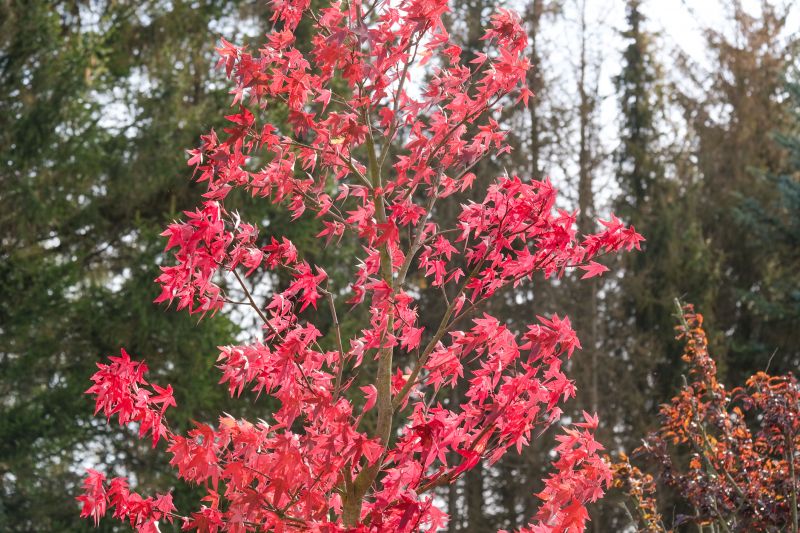
Japanese Maple Pruning in Pottstown, PA
Japanese Maple Pruning services involve carefully trimming and shaping Japanese maples to promote healthy growth and maintain their aesthetic appeal. This service typically covers removal of dead or damaged branches, thinning out dense foliage, and shaping the canopy to enhance the tree’s natural form. Property owners often seek pruning to improve the overall health of the tree, prevent potential hazards from falling branches, or to achieve a specific landscape design. Understanding the specific needs of the Japanese maple, including its growth habits and preferred shape, can help homeowners make informed decisions before requesting pruning services.
Before requesting Japanese Maple Pruning, property owners should consider the age and health of the tree, as well as their desired outcome for its appearance. It’s helpful to know if the tree has experienced any previous damage or disease, which may influence the pruning approach. Additionally, clarifying whether the goal is to encourage growth, control size, or preserve a particular aesthetic can ensure the service aligns with expectations. Proper pruning not only enhances the beauty of Japanese maples but also contributes to their long-term vitality.
Many property owners in Pottstown, PA look into Japanese Maple Pruning for repairs, replacements, upgrades, and appearance-related improvements.
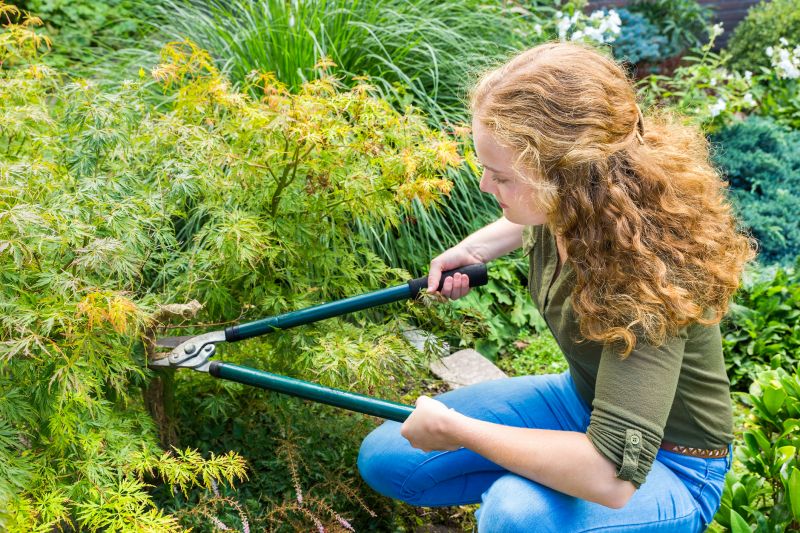
Shaping The Tree's Form
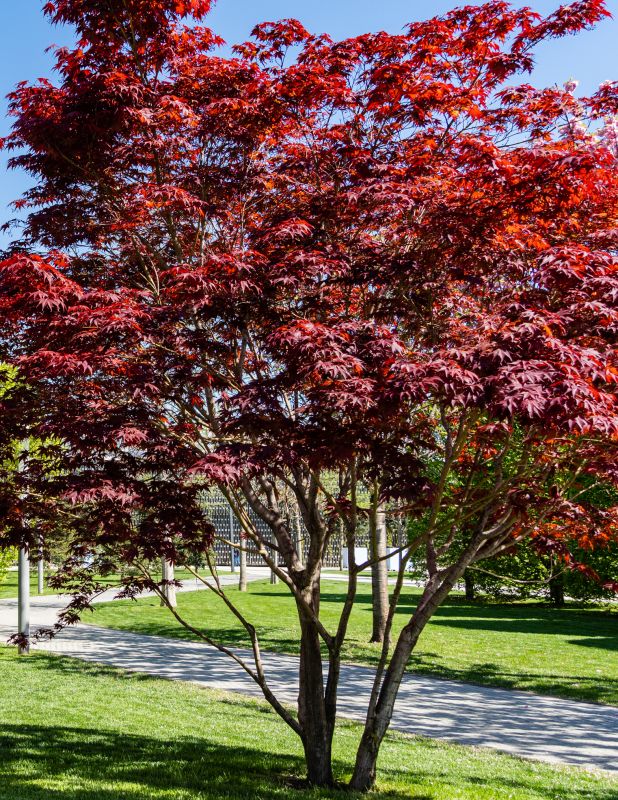
Pruning helps maintain the natural shape and aesthetic of japanese maples in residential landscapes.
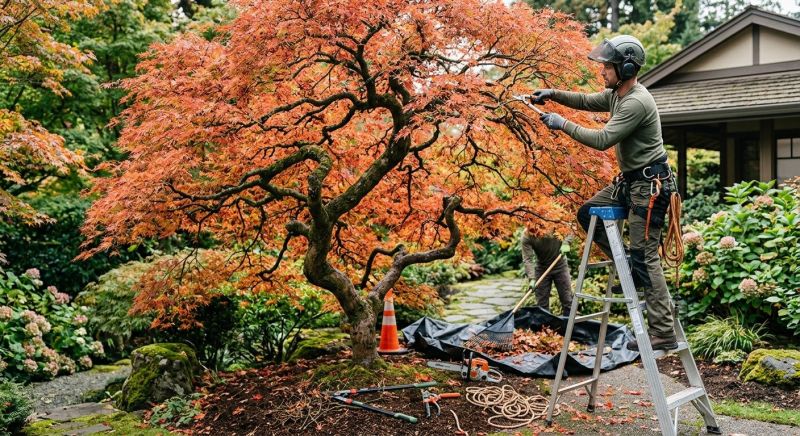
Promoting Healthy Growth
Proper trimming encourages strong branches and vibrant foliage for thriving trees in pottstown properties.
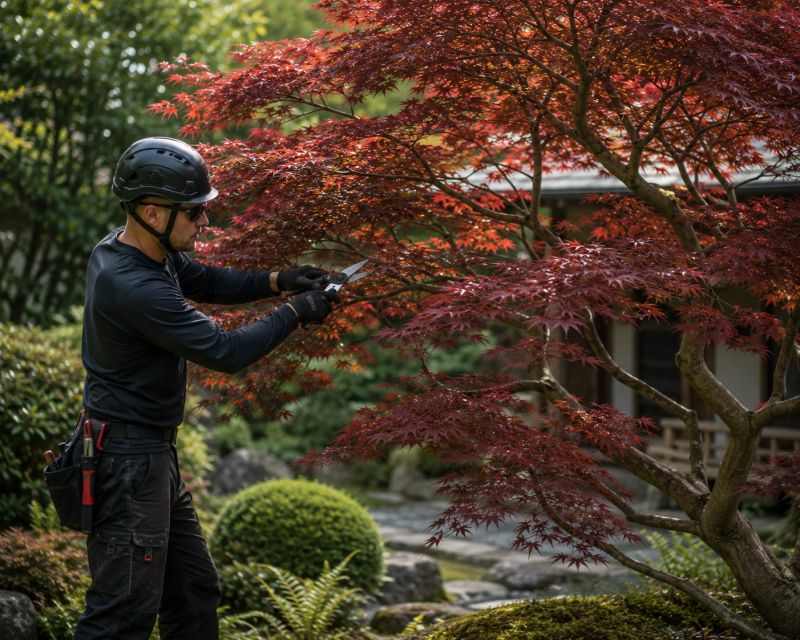
Removing Dead Or Diseased Branches
Selective pruning eliminates weak or damaged limbs to prevent disease and improve overall tree health.
Japanese Maple Pruning in Pottstown, PA
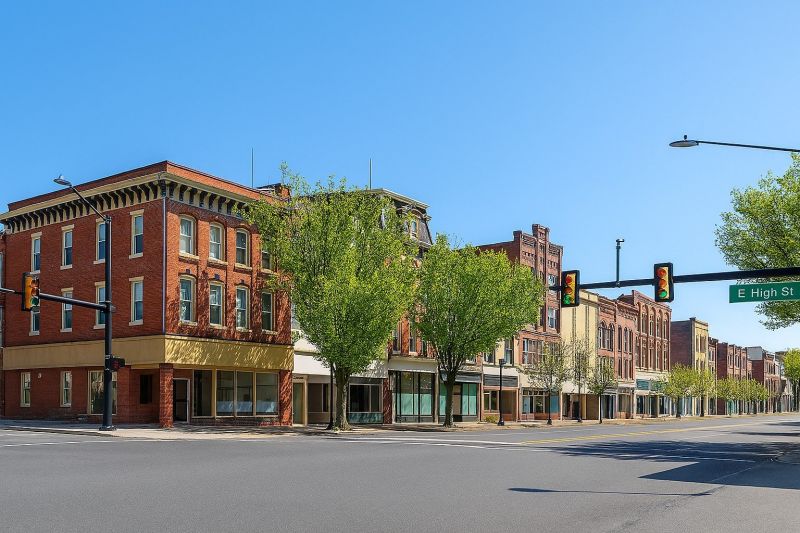
Japanese Maple Pruning services involve carefully trimming and shaping Japanese maples to promote healthy growth and maintain their aesthetic appeal. This service typically covers removal of dead or damaged branches, thinning out dense foliage, and shaping the canopy to enhance the tree’s natural form. Property owners often seek pruning to improve the overall health of the tree, prevent potential hazards from falling branches, or to achieve a specific landscape design. Understanding the specific needs of the Japanese maple, including its growth habits and preferred shape, can help homeowners make informed decisions before requesting pruning services.
Before requesting Japanese Maple Pruning, property owners should consider the age and health of the tree, as well as their desired outcome for its appearance. It’s helpful to know if the tree has experienced any previous damage or disease, which may influence the pruning approach. Additionally, clarifying whether the goal is to encourage growth, control size, or preserve a particular aesthetic can ensure the service aligns with expectations. Proper pruning not only enhances the beauty of Japanese maples but also contributes to their long-term vitality.
Many property owners in Pottstown, PA look into Japanese Maple Pruning for repairs, replacements, upgrades, and appearance-related improvements.
Common Japanese Maple Pruning Jobs
Japanese Maple Pruning - shaping and thinning to maintain a balanced and attractive form.
Deadwood Removal - eliminating dead or damaged branches to promote healthy growth.
Thinning - reducing dense foliage for better light penetration and airflow.
Crown Cleaning - removing clutter and weak branches to improve tree health.
Structural Pruning - guiding branch growth to prevent future hazards and maintain stability.
Seasonal Trimming - performing precise cuts to support the tree’s natural beauty year-round.
Japanese Maple Pruning Questions
Why is pruning Japanese Maples important? Proper pruning helps maintain the tree's shape, encourages healthy growth, and reduces the risk of disease or damage.
When is the best time to prune a Japanese Maple? The ideal time is late winter to early spring before new growth begins, or after the leaves have fallen in autumn.
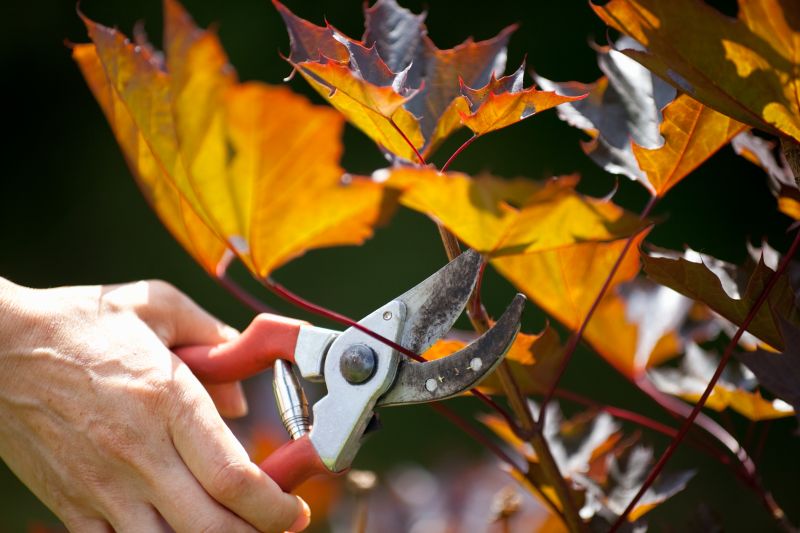
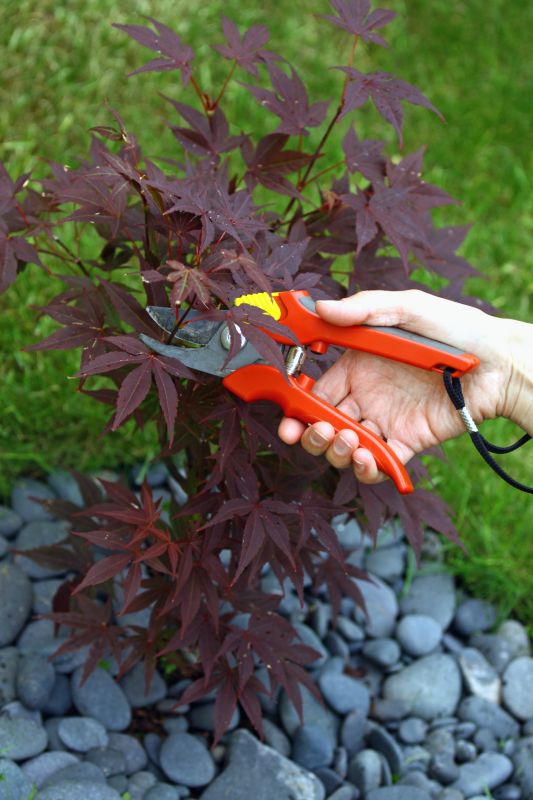
What pruning techniques are used for Japanese Maples? Techniques include thinning, heading back, and removing dead or damaged branches to promote structure and airflow.
Can pruning improve the overall appearance of a Japanese Maple? Yes, strategic pruning enhances the tree's form, highlights its natural beauty, and keeps it looking balanced and attractive.
Request Japanese Maple Pruning in Pottstown, PA
Use the quote form on this page to share the basics of your project and request more information for the type of work you need.